

Introduction
Truck-mounted cranes play a crucial role in various industries, including construction, transportation, and logistics. These versatile machines provide the ability to lift and move heavy loads with ease, making them essential equipment for many businesses. One key aspect that significantly impacts the performance and usability of a truck-mounted crane is the control system. User-friendly controls not only enhance efficiency but also contribute to the safety of the operators and those working in close proximity to the crane. In this article, we will explore the importance of user-friendly controls on truck-mounted cranes and how they can improve operations in different settings.
Overview of Truck-Mounted Cranes
Truck-mounted cranes are a type of mobile crane that is mounted on a truck chassis, providing mobility and flexibility in various work environments. These cranes are used for a wide range of lifting and loading tasks, such as construction materials handling, equipment installation, and cargo transportation. The ability to move quickly between job sites and set up the crane for operation promptly makes truck-mounted cranes a popular choice for many industries.
One of the key components of a truck-mounted crane is its control system, which allows the operator to maneuver the crane, adjust the boom angle, and lift or lower loads with precision. The design and functionality of the controls play a crucial role in determining how efficiently and safely the crane can be operated. User-friendly controls make it easier for operators to perform complex tasks accurately and quickly, leading to improved productivity and reduced downtime.
Importance of User-Friendly Controls
User-friendly controls on truck-mounted cranes are essential for several reasons:
1. Safety: Safety is a top priority in any work environment, especially when dealing with heavy machinery like truck-mounted cranes. Complex or non-intuitive controls can lead to confusion or errors on the part of the operator, increasing the risk of accidents or injuries. User-friendly controls are designed to be intuitive and easy to use, reducing the likelihood of operator error and enhancing overall safety.
2. Efficiency: Time is of the essence in many industries, and delays in operation can have a significant impact on productivity and project timelines. User-friendly controls enable operators to perform tasks quickly and accurately, minimizing downtime and maximizing efficiency. By streamlining the operation of the crane, user-friendly controls help optimize workflow and improve overall project outcomes.
3. Operator Comfort: Operating a truck-mounted crane can be physically demanding, requiring the operator to focus on multiple tasks simultaneously while ensuring precise movements. User-friendly controls that are ergonomically designed and easy to reach can help reduce operator fatigue and improve comfort during long hours of operation. A comfortable operator is more likely to maintain focus and perform at their best, leading to better overall performance.
4. Training and Skill Development: User-friendly controls make it easier for new operators to learn how to operate the crane efficiently. Intuitive controls reduce the learning curve and help new operators become proficient more quickly. This not only improves operational efficiency but also allows for better skill development among the workforce, leading to a more competent and versatile team.
Features of User-Friendly Controls
User-friendly controls on truck-mounted cranes can include a variety of features designed to enhance ease of use, safety, and efficiency. Some common features found in modern crane control systems include:
1. Responsive Joysticks: Joysticks are a common control interface for truck-mounted cranes, allowing operators to control the movement of the crane, adjust the boom angle, and operate other functions. Responsive joysticks with smooth movement and precise control help operators perform tasks accurately and efficiently.
2. Intuitive Display Panels: Display panels provide operators with essential information about the crane's status, load capacity, and operating conditions. User-friendly display panels are designed with clear, easy-to-read interfaces that present information in a logical and organized manner, allowing operators to monitor the crane's performance at a glance.
3. Programmable Functions: Some truck-mounted cranes come equipped with programmable functions that allow operators to customize settings and adjust operating parameters to suit specific tasks. User-friendly controls make it easy for operators to program these functions without the need for extensive training or technical knowledge.
4. https://www.worktruckmaker.com/6-8m-dongfeng-changxing-cargo-van-box/ : User-friendly controls often include built-in safety features such as overload protection, emergency stop buttons, and automatic safety checks. These features help prevent accidents and injuries by alerting operators to potential hazards and automatically shutting down the crane if unsafe conditions are detected.
Case Studies
Let's explore two case studies that highlight the benefits of user-friendly controls on truck-mounted cranes in real-world applications:
Case Study 1: Construction Site A
Construction Site A is a large-scale construction project that requires the use of a truck-mounted crane for lifting heavy building materials and equipment. The project timeline is tight, and efficiency is crucial to meeting deadlines and staying within budget. The construction company invests in a truck-mounted crane with user-friendly controls to improve operational efficiency and safety on the site.
The crane operators at Construction Site A quickly adapt to the intuitive controls of the new crane, allowing them to perform lifts with precision and speed. The responsive joysticks and intuitive display panels make it easy for operators to monitor load capacity, adjust boom angles, and maneuver the crane with minimal effort. Safety features such as overload protection and emergency stop buttons provide added peace of mind, ensuring that operations run smoothly without compromising safety.
Thanks to the user-friendly controls, the crane operators at Construction Site A are able to complete lifts quickly and accurately, reducing downtime and improving overall productivity. The project progresses smoothly, and the construction company receives positive feedback from the client for meeting project milestones ahead of schedule.
Case Study 2: Logistics Company B
Logistics Company B specializes in transporting and loading cargo containers for various clients across the country. The company operates a fleet of truck-mounted cranes to handle the loading and unloading of containers at different shipping terminals and storage facilities. To streamline operations and improve efficiency, Logistics Company B upgrades its crane fleet with new models equipped with user-friendly controls.
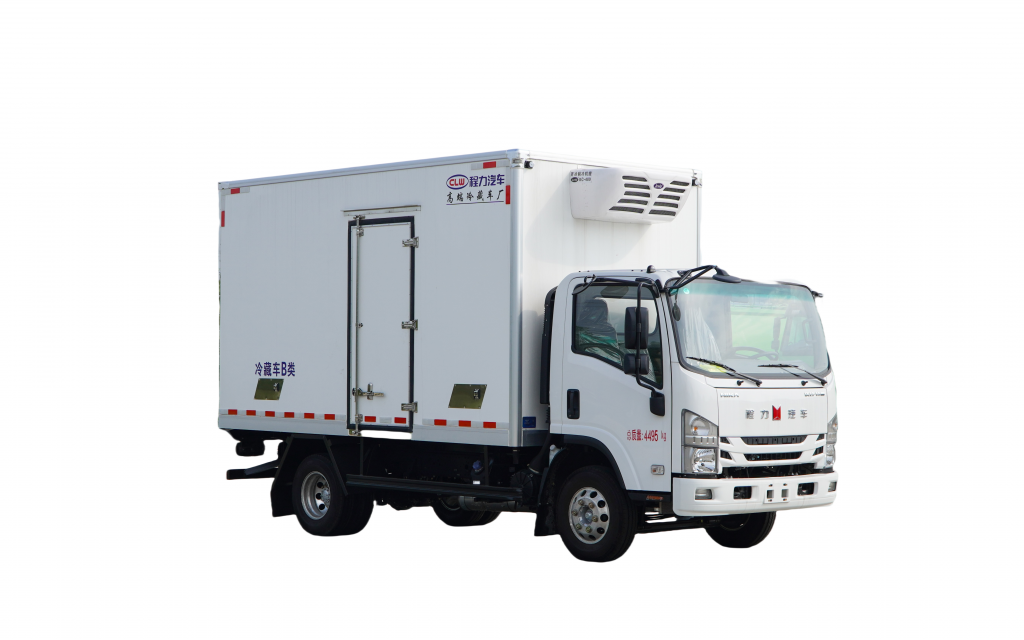
The operators at Logistics Company B appreciate the ergonomic design and responsive controls of the new cranes, which make it easier for them to handle multiple tasks efficiently. The intuitive display panels provide operators with real-time information on container weights, lifting capacities, and operating conditions, allowing them to make informed decisions quickly. Programmable functions on the crane controls enable operators to customize settings for different types of cargo, further enhancing operational flexibility.
With the user-friendly controls on the new crane models, Logistics Company B is able to reduce loading and unloading times significantly, improving turnaround times and customer satisfaction. The company's fleet of cranes operates smoothly and efficiently, helping Logistics Company B maintain a competitive edge in the logistics industry.
Conclusion
User-friendly controls play a crucial role in enhancing the efficiency and safety of truck-mounted cranes in various industries. By providing operators with intuitive interfaces, responsive joysticks, and innovative features, user-friendly controls help streamline operations, reduce downtime, and improve overall productivity. Investing in truck-mounted cranes with user-friendly controls not only benefits operators by making their job easier but also contributes to a safer work environment and better project outcomes.
As technology continues to advance, we can expect to see further innovations in crane control systems that prioritize ease of use and operator comfort. By staying informed about the latest developments in crane technology and choosing equipment with user-friendly controls, businesses can ensure that their operations run smoothly and efficiently, leading to greater success and profitability in the long run.